As a newly democratic country, South Africa got off to a euphoric start with its first free elections in 1994.
People queued up for hours to cast their votes, full of hope, optimism and joy. That positive spirit continued as Nelson Mandela was elected president after spending 27 years in prison.
The African National Congress (ANC), Mandela’s political party and former anti-apartheid movement, came into power, ending not only white minority rule but centuries of colonialist mentality. It’s still in power today.
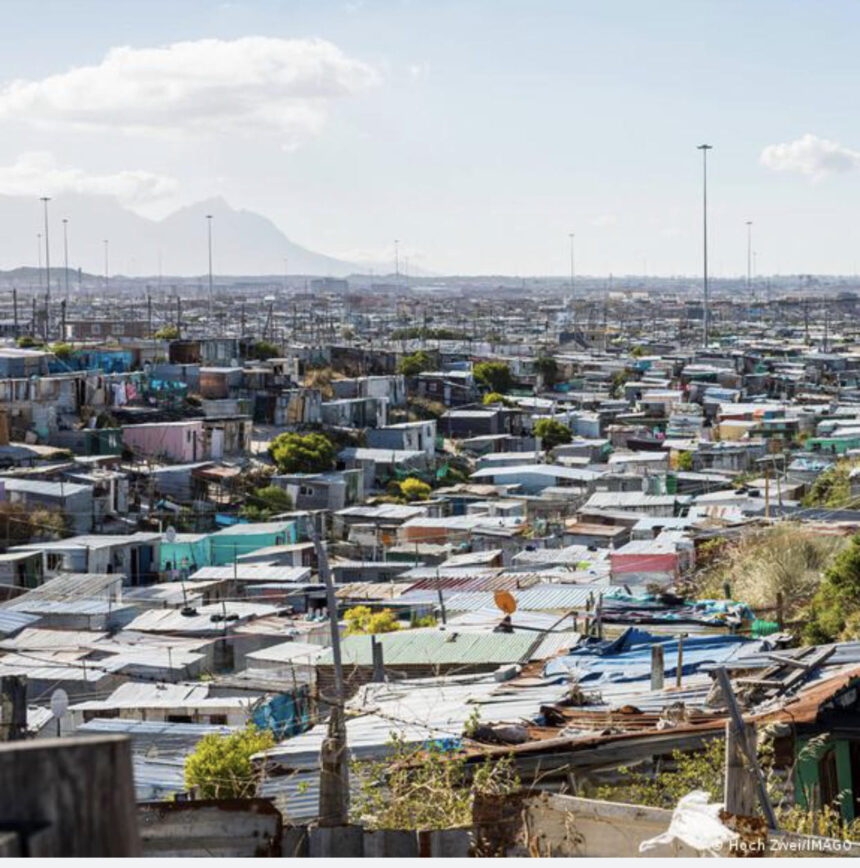
However, looking back on the past 30 years, the assessment on the state of Mandela’s “rainbow nation” is sober: The economy in the Cape of Good Hope is ailing, society is still divided along racial lines and people feel their politicians don’t understand them.
Meanwhile, the gap between rich and poor has kept growing — despite the fact that the ANC made the issue a central concern when it came to power in 1994. Frustration over these shattered dreams runs deep.
Progress — on paper
However, there have also been some important achievements, at least on paper.
Fredson Guilengue, program director for Southern Africa at the Rosa Luxemburg Foundation in Johannesburg, said the country has at least “succeeded in introducing one of the most progressive constitutions in the world, establishing an independent judiciary, a free press, free and fair elections.”
He told DW that LGBTQ+ rights, an expanded education system and greater access to electricity, social housing and social services for the poor are among the key milestones achieved in the past three decades.
Corruption at the highest levels
In addition to these major gains, South Africa has also built up a robust and active civil society over that last 30 years that is vocal in defending its rights in the face of adversity.
In recent years, however, that adversity appears to largely come from the top tiers of government. Power struggles and reports of corrupt interests within the ruling ANC have repeatedly set the country back.
These dynamics have trickled down to affect everyone in the country, regardless of race or income: high unemployment, crime and poverty, as well as the rising cost of living, are among the chief issues that continue to plague South Africa.
Youth unemployment is a major issue, said Guilengue. Nearly half of the population under the age of 34 is considered unemployed, and this has further fueled a sense of social instability, reinforcing xenophobic sentiments and resulting in dozens of deaths over the years.
Most South Africans now have access to running water and electricity at home. But power cuts— caused by reported corruption within the state energy supplier Eskom — have kept the lights off for many across the country for hours each day over the past decade.